
意外
Why China's favorability is rising across the Global South_我的网站

一 |

What explains China's growing appeal?
For many developing countries, China offers a practical development partnership centered on infrastructure, investment, industrialization, technology transfer and trade. Rather than prescribing a single pathway to modernization, it has generally emphasized allowing countries to pursue development in line with their national priorities.
One reason China's influence has grown is that its development model is highly visible. From Ethiopia's railways to Pakistan's power plants, Chinese-financed projects address everyday development challenges by improving transport, energy security and connectivity. Through the Belt and Road Initiative, China has mobilized nearly 1 trillion U.S. dollars in infrastructure investment, producing projects that citizens can see, use and associate with economic progress.
The distinction lies not only in the scale of investment but also in the evolving priorities of development cooperation. While many Western partners have increasingly emphasized economic security, strategic de-risking, private-sector mobilization and governance reform, China has combined large-scale investment in physical infrastructure with technology transfer, industrial cooperation and human capital development.
At the same time, China has actively promoted trade by expanding market access, including granting zero-tariff treatment to many least-developed countries, deepening currency-swap arrangements, and encouraging the use of local currencies in cross-border trade. Together, these measures seek to strengthen economic connectivity, reduce transaction costs and exchange-rate risks, and create new opportunities for developing countries to integrate into regional and global value chains.
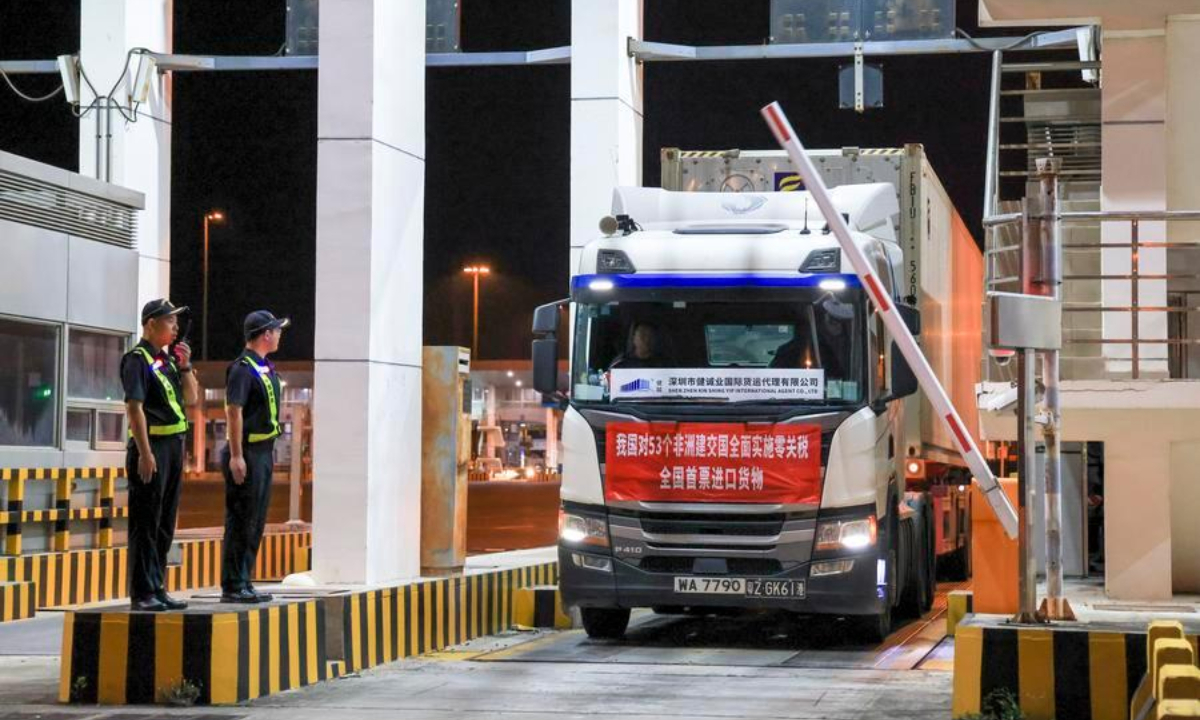
This integrated approach has produced tangible improvements in productivity, connectivity and local capacity, reinforcing perceptions of China as a long-term development partner.
Equally important is the philosophy underpinning China's engagement. Beijing consistently emphasizes sovereignty, mutual respect and non-interference, maintaining that every country should determine its own political and development path. For many governments across the Global South, this approach is a partnership based on equality rather than political conditionality, allowing them greater policy space to pursue domestic development priorities.
Diplomatic style has also influenced perceptions. Through mechanisms such as the Forum on China-Africa Cooperation and regular engagement with Pacific Island countries, China has committed itself to equality and shared development. For many governments in the Global South, that sense of respect and recognition is not merely symbolic -- it contributes to long-term political trust.
Perhaps the most important nuance is this: the Global South is not becoming anti-American; it is becoming strategically pragmatic. Its foreign policy decisions are increasingly guided by national interests, economic opportunity, and development priorities rather than Cold War-style geopolitical alignment.
The Global South's primary ambition is neither ideological nor geopolitical -- it is developmental. Governments want to create jobs, eliminate poverty, modernize infrastructure, strengthen industrial capacity and improve the quality of life for their citizens. China's transformation over the past four decades, from lifting hundreds of millions of people out of poverty to becoming a global leader in infrastructure, manufacturing and technology, has demonstrated what sustained long-term planning can achieve. Consequently, many developing countries are looking to China not as a model to replicate wholesale, but as a development partner from which they can learn, cooperate and pursue shared prosperity while preserving their own policy autonomy.
This contrast is also reflected in broader policy priorities. At a time when many Western governments are increasingly emphasizing tariffs, export controls, technology restrictions, sanctions and economic security, China has continued to promote infrastructure investment, trade, industrial cooperation, technology partnerships, open-source AI initiatives and greater access to its domestic market. Whether one agrees with either approach or not, many developing countries evaluate partnerships primarily through the lens of economic development and tangible outcomes. That difference in emphasis is helping reshape global perceptions.
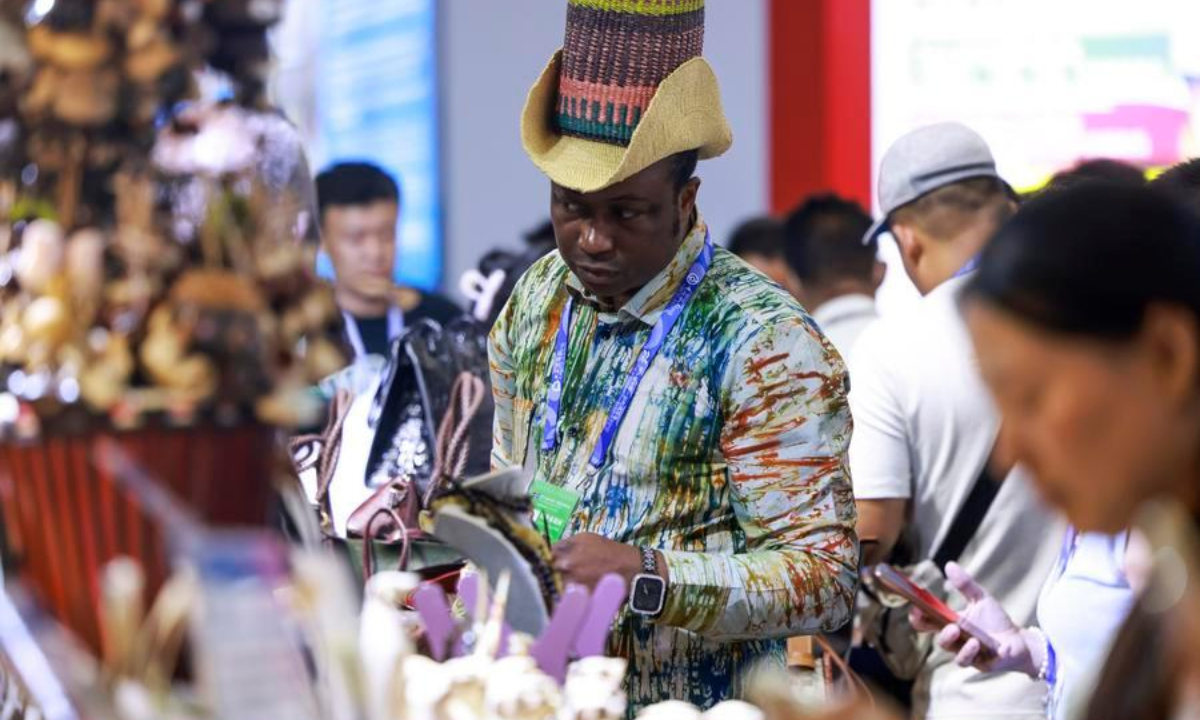
The world is changing, and the transition toward a more multipolar international order is becoming increasingly evident. The Global South is no longer a passive participant in world affairs. Its countries are exercising greater strategic autonomy, making decisions according to their own national interests, development priorities and the aspirations of their people. In China, developing countries have found a true friend and good partner.
Editor's note: Maya Majueran serves as the director of the Belt and Road Initiative Sri Lanka, an independent and pioneering organization with strong expertise in Belt and Road Initiative advice and support.
。
原标题:房价两位数下跌!这些国家,地产泡沫正在集体破灭在全球范围内,飙升的借贷成本正在挤压购房者和业主的压力,房地产市场大幅降温。根据在线房产经纪公司Redfin的数据,美国平均房屋售价近18个月来首次低于要价。这种转变主要是因为 各国央行以几十年来最快的速度加息,抵押贷款利率飙升,数百万在疫情期间以低廉的价格购买房屋的人面临更高的还款额。因此购房者正在撤退, 美国、澳大利亚、加拿大和瑞典等火热房地产市场的房价都在下跌。野村控股全球市场研究主管Rob Subbaraman表示:
。“在经通胀调整后的实际 工资下降之际,利率大幅上升,这可能是背负债务的年轻家庭一生中从未经历过的事。”美国房屋售价自2021年来首次低于标价Redfin表示,在截至8月28日的四个星期内,平均售价与挂牌价格的比率降至99.8%。自2021年3月以来,该比率从未低于100%。

二 |
此外,8月底,美国全国房地产经纪人协会(NAR)表示,占美国房地产市场销售量90%的成屋市场,7月销售总数意外再度不及预期,连续第六个月下降, 销售量创下两年多新低。
三 |
具有领先意义的7月新屋市场数据显示,其销售加速下跌, 库存升至2008年地产崩盘时水平。由于预期美联储将进一步加息,抵押贷款利率创下6月以来的最高水平,并逼近2022年的高点。9月8日房地美公布的数据,美国30年期按揭贷款的平均利率从上周的5.66%上升至5.89%。最近,美国房贷利率持续上涨,过去一个月利率上升了近一个百分点。尽管美国房地产市场今年迄今已经降温,但有一些迹象表明,目前市场正开始趋于平稳。
四 | Redfin的报告显示,降价待售的房子比例与前四周相同,为7.5%。

五 |
不过Redfin首席经济学家Daryl Fairweather在一份声明中表示:“虽然冷却似乎正在逐渐结束,但有迹象表明, 市场还有更大的放松空间。今年劳动节后的经济放缓可能会比市场超紧张的前几年更严重一些。”因人员外流,旧金山房价急剧下滑由于利率飙升和科技公司工作者外流,旧金山房价上个月暴跌。根据Redfin的一份报告,在截至9月4日的四个星期内,该市的 单户住宅中位价比去年同期下降了7%,为2012年以来的最大年度跌幅,至140万美元。房产经纪公司Compass表示,自2021年8月以来,其在旧金山签订的合同数量下降了25%。Daryl Fairweather在接受采访时说:“旧金山的房价是因为有科技人员在这工作而变得如此昂贵。然而疫情和远程工作削弱了科技公司与该地区的联系。”由于飙升的借贷成本降低了人们的负担能力,而卖家仍然不愿降价,美国各地的房屋销售都已刹车。旧金山受到了沉重打击 ,因为其工人仍然不愿回到办公桌前,落后于其他主要都市区的复工率,并促使该市许多餐馆和零售商关闭。全球房价下滑才刚刚开始虽然到目前为止的房地产衰退还没有接近2008年金融危机的水平,但对于希望在不引发深度衰退的情况下抑制通胀的央行官员来说,房地产市场的数据是一个关键变量。目前, 澳大利亚、新西兰和加拿大等泡沫市场已经面临两位数的房价下跌,但经济学家认为全球房价下滑才刚刚开始。据媒体,法政大学的Hideaki Hirata表示:“我们将在2023年和2024年观察到全球同步的房地产市场下滑。”平田英明曾是日本央行经济学家,他警告说,今年大幅加息对家庭的全面影响还需要时间才能显现出来。彭博经济学家Niraj Shah表示:
“如果央行收紧过度,软着陆的前景就会减弱。在波兰,随着利率的上升,一些借款人的每月还款翻了一番。波兰政府今年早些时候表示,允许波兰人暂停还款长达8个月。
六 | 房价可能会更快地下跌,加剧并延长衰退。”


七 | 在银行业被迫计入约130亿兹罗提(27.8亿美元)的拨备后,抹去了银行的主要利润。
瑞典曾是欧洲最热门的市场之一,自今年春季以来,该国房价已经下跌了约8%,多数经济学家目前预计降幅为15%。
八 |
不断上升的利率也给在债券市场上大举借债以为运营融资的房地产公司带来压力,让投资者越来越担心它们是否有能力为这些债务再融资。英国的房价下跌也在加速。
九 |
据媒体的一项分析显示,在伦敦几乎一半的行政区,房价持平或下跌。汇丰控股公司警告称,英国正处于“房地产低迷的顶点”,未来一年的需求可能会下降20%。返回搜狐,查看更多责任编辑:Current article:http://4x3s.licuqiangraosuiheizhua.pics/sj4r/yo37ei.html
Published on:21:45:22
我们相爱吧_Random reading
- 08-23股票佣金怎么调更低?2026正规调佣渠道、申请条件及实操避坑全指南
- 08-206年倒闭8万家KTV!曾经爆火 为啥年轻人现在不想去?
- 08-20企业破产法修订草案将二审 发挥重整制度挽救困境企业功能
- 08-24从勿洛赶赴海军部 陈建彬拍剧跑歌台两头忙
- 08-20抖音Dou+乱收费
- 08-20格鲁吉亚通过反外国渗透法案,欧盟严重关切,美国“深感不安”
- 08-24全市巡察工作会议暨十三届市委第八轮巡察工作动员部署会召开
- 08-23香港公布北都洪水桥片区招标结果
- 08-24广东培育海关高级认证企业达2035家 居全国首位,广东培育海关高级认证企业达2035家 居全国首位
- 08-26【国内最速試乗】ヤマハ初の新基準原付「JOG ONE」、すでに5000台も受注された人気の秘密とは!?

中国房价称霸全球_Active users
- 《名利场2:冒牌富少》Steam商店页上线:电影级真人影游登陆Steam
- 50万一只坐骑!《诡秘之主》公测氪爆 研发烧了12亿
- 0-2,首败!中国男足爆冷失败,无缘季军仍创最佳,排名比日本高
- Candidates wrangle over abortion policy in Kentucky gubernatorial debate
- 人民网评:破解种牙贵,让群众笑口常开_价格_耗材
- 普京与叙过渡政府总统通话,讨论双边关系等问题
- 【观点】南华期货:PP丙烯:短期方向不明,维持高位震荡
- 收官之作!检验类立项指南正式发布
- 2026年肇庆市红领巾福彩夏令营顺利举办
- 中国航天科技集团与珠海市政府签署战略合作协议_发展_产业
- 李行亮发长文:录完节目我们觉得很羞耻
- 2026年羽毛球世锦赛:国羽1金2银3铜收官,梁伟铿/王昶首夺世锦赛冠军,混双、女双均获银牌
- -1237!豆棕价差跌至历史较低位置豆油相对棕榈油被低估
- 辽宁两老太发生争吵厮打后1人身亡 一个79岁,一个80岁
- 【现货】8月26日各地区现货铜价格汇总
- 古尔曼:苹果 AirPods 5 耳机下月发布,提供普通版和主动降噪版
- CBSE 10वीं और 12वीं बोर्ड परीक्षा के लिए आज से रजिस्ट्रेशन शुरू, इस बार कड़ाई से होगा नियमों का पालन; पढ़ लें एक-एक बात
- 国家能源局:截至7月底,全国累计发电装机容量40.8亿千瓦,同比增长11.0%
环太平洋_Hottest this week
- 08-26新加坡消费者协会因数据保护不足被重罚
- 08-22Nupur Sanon Set to Marry Longtime Boyfriend Stebin Ben in January 2026 ?
- 08-23继C罗之后,B费成为历史上第二位获PFA赛季最佳球员的葡萄牙人
- 08-25泰国皇家警察总署署长搭乘特快专机接演员星星
- 08-25【现货】8月19日海外各地区合成橡胶现货市场价格汇总
- 08-22India, Sweden join hands for green transition
- 08-21将于第三季度正式上市 领克10 EM-P申报图 全系标配四驱系统
- 08-21想让AI搜索引擎引用你的内容?照着这5步改
- 意外 copyright
- Some of the content comes from the Internet. If you have any offence, please raise it.